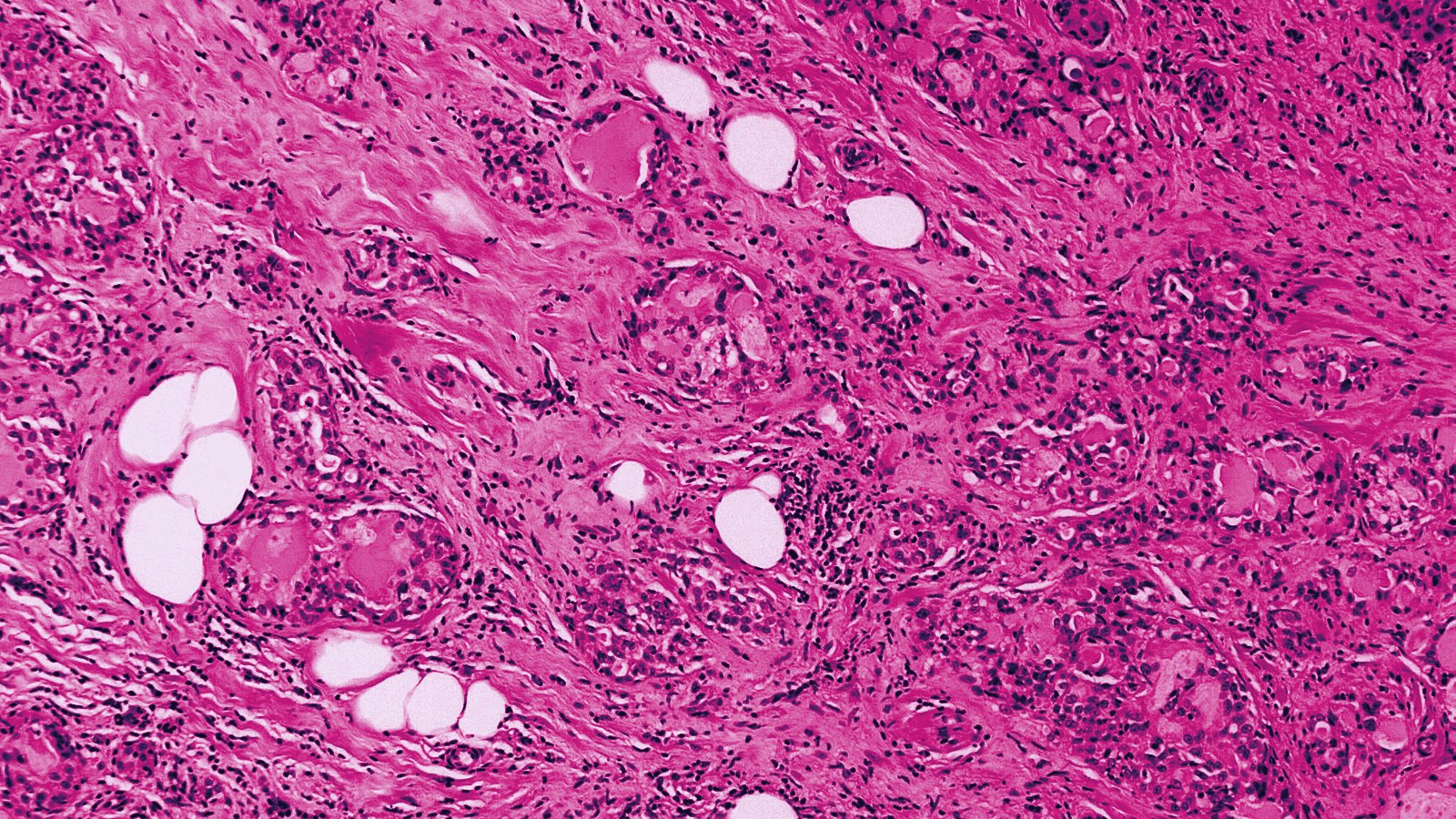
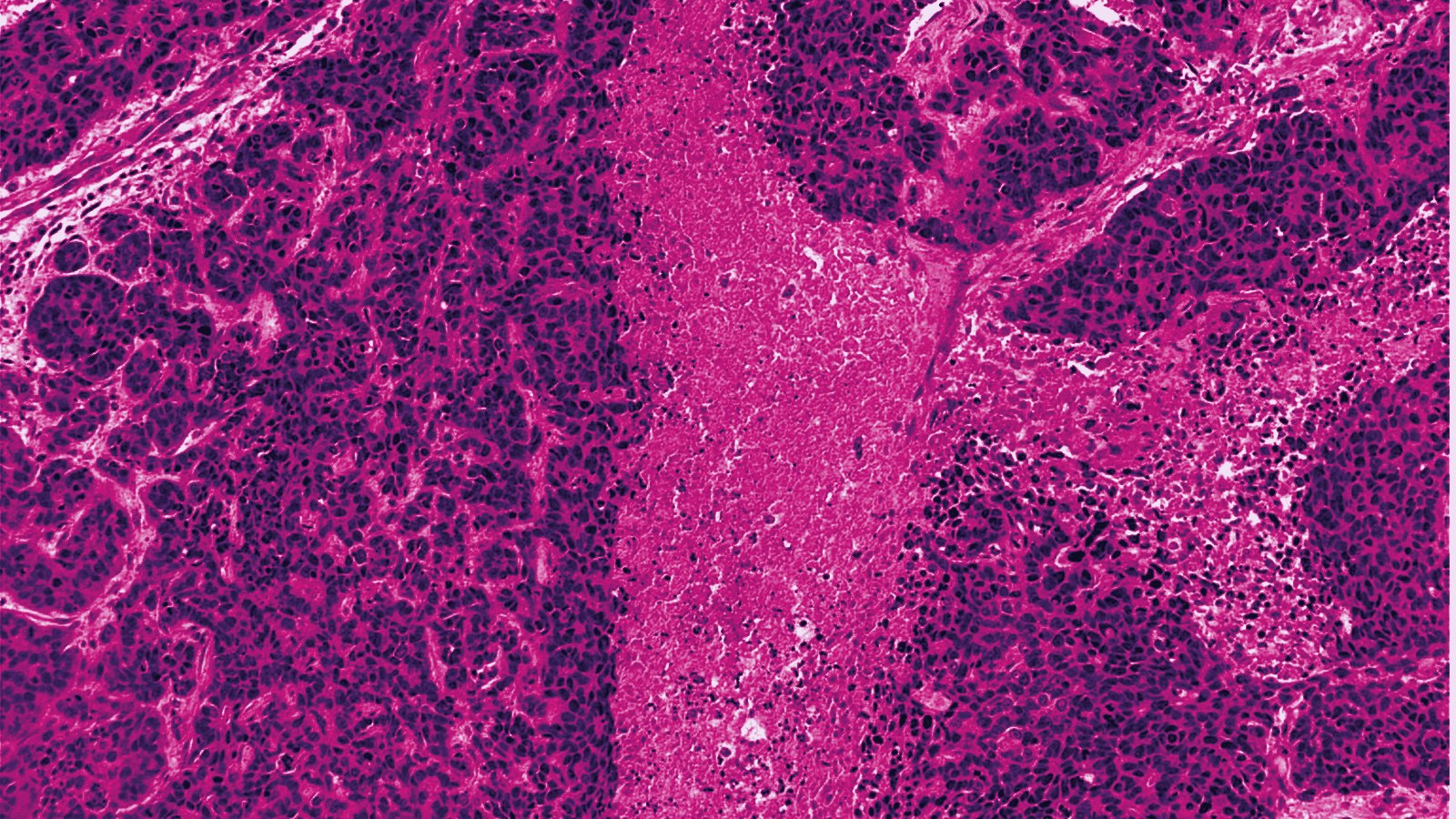
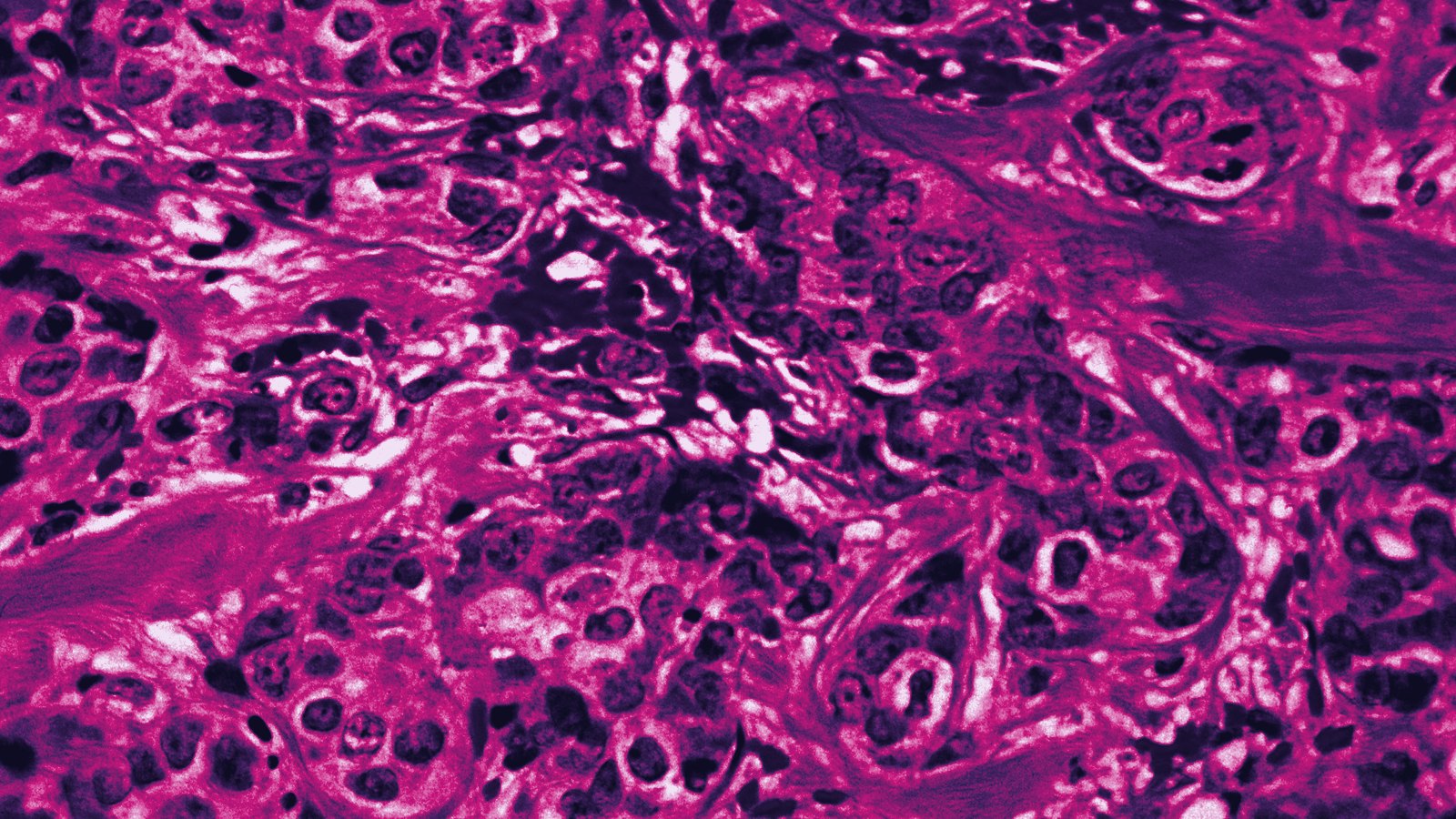
In a 25-year single-institution series, fine-needle aspiration reached 93.7 percent sensitivity and 100 percent specificity for secondary solid malignancies involving the gastrointestinal tract, measured against follow-up tissue diagnosis. Endoscopic mucosal biopsy, performed in 28 of the 59 patients, agreed with the aspiration result in 29 percent of those cases. The report appeared online ahead of print in the Journal of the American Society of Cytopathology on August 1, 2026.
- Cohort: 59 patients, mean age 64 years, diagnosed by FNA at one institution from 2000 to 2025.
- Most involved site: stomach, in 49 percent of cases.
- Most common primaries: breast carcinoma and pancreatobiliary tract carcinomas.
- Paired sampling: mucosal biopsy in 28 patients, concordant in 29 percent, a false-negative rate of 71 percent.
- Performance: FNA sensitivity 93.7 percent, specificity 100 percent against follow-up tissue diagnosis.
Fifty-Nine Patients Across a Quarter Century
Secondary solid malignancies reaching the gastrointestinal tract are uncommon enough that assembling 59 cases took 25 years of institutional archives. Mean patient age was 64. The stomach accounted for 49 percent of involved sites, and breast carcinoma and pancreatobiliary tract carcinomas were the most frequent primaries. Most of these patients already had widespread metastatic disease, and overall survival was poor.
Imaging showed one of two patterns, either intraluminal subepithelial nodules and masses or diffusely infiltrative wall thickening. Both descriptions point away from the mucosa, and that is the anatomic reason the authors give for the diagnostic gap they measured.
Where Mucosal Biopsy Failed
Twenty-eight patients in the series had endoscopic mucosal biopsy in addition to aspiration. Those biopsies produced a concordant result in 29 percent, which the authors express as a false-negative rate of 71 percent. Lesions that sit deep to the mucosa or infiltrate the wall are the ones a forceps biopsy is least likely to reach.
Counting the Misses on the Cytology Side
The authors also went looking for what aspiration itself missed, using follow-up tissue sampling as the reference. Among 205 nondiagnostic or negative gastrointestinal FNA specimens with subsequent tissue sampling, two were later diagnosed as metastatic carcinoma. Among 55 aspirates called atypical, another two turned out to be metastatic carcinoma on follow-up. Those four cases are what produce the 93.7 percent sensitivity figure alongside 100 percent specificity.
Hou's Group Calls Aspiration Reliable Where Biopsy Falls Short
The work comes from B. LaFollette of Indiana University School of Medicine with O. Saeed, S. Segura and corresponding author T. Hou of the Department of Pathology and Laboratory Medicine at the same institution. Their conclusion states that "secondary GIT tumors represent advanced systemic disease with poor prognosis" and that aspiration is reliable and minimally invasive where conventional endoscopic biopsy falls short. The article is online ahead of print with the Journal of the American Society of Cytopathology, carried by Elsevier under subscription and with no free full text deposited. Only the published abstract could be read. Case-level cytomorphology, immunostain panels and the split between endoscopic ultrasound-guided and percutaneous approaches stay behind the paywall.
Why This Matters to the APO|APE Reader
Endoscopic ultrasound-guided fine-needle biopsy, the core-needle alternative for a suspected wall lesion, gets no head-to-head comparison in this report, which leaves that decision where it already sat for endoscopy services. The sensitivity figure is also anchored to patients who went on to have tissue sampling, so anyone managed on an aspiration result alone falls outside the denominator by design. What a cytology service can take from the retrospective design is a base rate for a rare presentation in its own archive, gathered over a period long enough to span several generations of needle and imaging technique.